
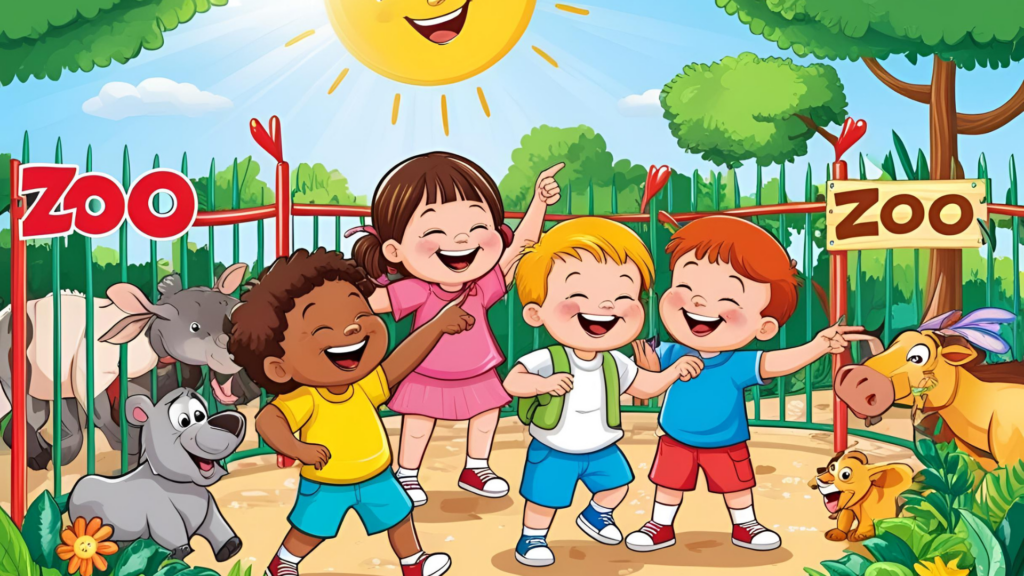
Are kids naturally affectionate towards wildlife, and what can parents do to nurture their children's love for animals?
When my daughter was two and a half or three years old, we took her to the zoo, and we were not expecting her to fully understand what she was seeing.
But her delight was totally unexpected.
When we visited the River Safari, she was mesmerized by the tortoises slowly moving in the water and the crocodile basking in the sun.
It was a moment that stayed with me—seeing her recognize and react to these animals made me realize that even at a young age, children have a natural ability to connect with wildlife in ways we might not anticipate.
Children are naturally curious, and animals captivate their attention with their movements, sounds, and behaviors. This attraction may be deeply rooted in human evolution; our ancestors relied on understanding animals for survival. Today, that instinct can manifest as fascination and connection. While adults may overlook animals as part of the background, children observe them with fresh eyes, forming emotional bonds that can shape their social and emotional development.
As adults, we also tend to view animals through the lens of utility — what they offer us. It might be the adrenaline rush of spotting a tiger in the wild, the companionship a dog provides, or the food, clothing, and materials we derive from them. Children, however, often experience the natural world differently. Their curiosity allows them to appreciate animals simply as living beings, without immediately asking what they can offer in return.
The renowned biologist E. O. Wilson coined the term biophilia to describe our innate affinity for other living things. Children can express this affinity particularly strongly, approaching animals with fascination, curiosity, and a sense of wonder.
When we nurture that instinct, we give children more than opportunities to enjoy animals. We can help them develop qualities such as empathy, curiosity, and kindness that extend beyond their interactions with the natural world.
Wildlife encounters, whether through pets, zoos, parks, or even backyard creatures, offer children crucial developmental benefits:
Observing and caring for animals teaches children to recognize emotions in other beings, fostering kindness and a sense of responsibility.
Watching birds build nests or ants carry food trains children to slow down, observe details, and develop patience.
Learning about different species introduces new vocabulary, improves memory, and strengthens problem-solving skills.
Nature and animals have a calming effect, reducing anxiety and helping children manage their emotions better.
As the podcast guest highlighted, observing animals helps children realize they are part of something larger than themselves, fostering humility and appreciation for nature.
Parents play a crucial role in nurturing this natural attraction by creating opportunities for wildlife encounters, even in urban environments:
Visit parks or nature reserves where children can observe animals in their natural habitat.
Ask questions like, “What do you notice about that bird’s movement?” to spark curiosity.
Avoid reacting with fear; instead, show calmness and appreciation for wildlife encounters.
Apps like Google Lens help children identify and learn more about the animals they see.
Books, both fiction and nonfiction, about animals can help children notice, understand, and appreciate the wildlife around them. Choose titles that match their age and curiosity:
Ages 2–4
A lively, rhythmic story about a lovable elephant that introduces young children to animals through humor and repetition.
A gentle story that encourages children to see the world from an animal’s perspective and builds empathy for creatures that share our environment.
Ages 4–6
Turns an often-overlooked creature into a fascinating subject, helping children discover why worms matter to the ecosystem.
Answers the kinds of questions children naturally ask about animals, from their behavior to their unusual physical features.
Ages 6+
A fun nonfiction choice for children who are fascinated by unusual creatures and want to discover some of the stranger members of the animal kingdom.
Children’s fascination with animals is more than just a passing phase—it’s an opportunity for learning, emotional growth, and connection to the natural world. By fostering this bond, parents not only nurture their child’s development but also instill a lifelong appreciation for nature and wildlife.
Engaging with wildlife can be a deeply enriching experience for both children and parents. Whether through every day backyard discoveries, educational books, or mindful encounters in nature, the magic of wildlife is always within reach.
Want to dive deeper into this topic? Listen to our latest podcast episode on raising confident, nature-loving kids—link here: https://youtu.be/lQ52rfD8Pjo
Visit our website Bricks and Blocks Coaching for more mindful parenting tips, wildlife activities, and expert insights to help your child grow with empathy, curiosity, and connection.