
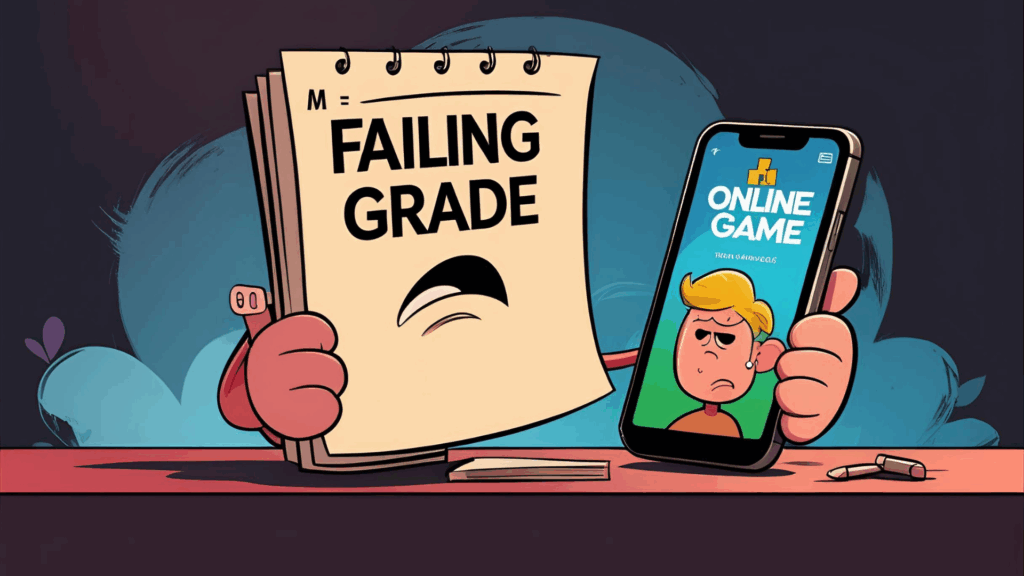
A parent I worked with recently shared her worry about her 9-year-old son’s exam results. The drop wasn’t huge, but it was enough to make her pause.
She admitted she had been allowing him a “quick after-school gaming break” to help him relax before homework—and if she was honest, to give herself a breather after a long day balancing her corporate role, small business, and home life. But that quick break slowly stretched into longer sessions.
At first, it seemed harmless. Soon, though, homework was pushed back, bedtime got later, and she noticed him clinging to “just one more level.” When the exam results came in, guilt hit her hard.
Had I been too lenient? Did I make a mistake by allowing screen time? Am I hurting his future?
The guilt wasn’t just about the grades—it was about her choices as a mom. She felt responsible for letting the habit form, and the stress of carrying it alone became too heavy.
Together, we worked on a plan she could approach with empathy instead of anger. Within weeks, homework started earlier, gaming was under control, and—most importantly—she felt lighter. The bond with her son stayed strong, and the guilt no longer ruled her parenting.
This story is a reminder: yes, screen time can affect schoolwork, but guilt doesn’t have to define the way you parent.
When grades start to slip because of online games and screen time, parents often point the finger inward. We blame ourselves for allowing “just a quick game” after school, or for letting them play longer so we could finish work, chores, or simply catch our breath.
What feels like a harmless yes in the moment suddenly feels like a big mistake when exam results or homework struggles show up. Instead of only worrying about school performance, we carry the weight of guilt—wondering if we failed our child by not being stricter, more consistent, or more present.
That’s why screen time struggles aren’t just about learning—they cut deep into how we see ourselves as parents.
The truth is, this isn’t only about children’s grades or study habits—it’s about parents’ peace of mind. When grades drop, guilt can spiral quickly and affect every part of our lives.
Here’s how guilt takes its toll:
This is why managing guilt is just as important as managing screens. When parents ease the emotional weight they carry, they show up calmer, more patient, and more connected—which makes it easier for kids to thrive too.
Here are some practical ways to manage the guilt when grades slip and screens seem to take over:
By managing the guilt directly, you give yourself more space to parent with calm and clarity. When you’re not weighed down by self-blame, it’s easier to guide your child with empathy—and protect your connection at the same time.
Parenting guilt can feel heavier than the dropped grades or late homework itself. We beat ourselves up for allowing screen time, for not being stricter, or for choosing what felt easier in the moment. But guilt doesn’t have to define how we parent.
When we learn to manage guilt—with compassion, perspective, and support—we free ourselves to guide with patience instead of pressure. Our kids don’t need perfect parents; they need present ones who lead with connection, not self-blame.
Unguilty Parenting is about letting go of the weight that says “I failed” and replacing it with the mindset “I’m learning with my child.” You are doing enough. And when guilt loosens its grip, both you and your child thrive—in school, at home, and in your relationship with each other.
If you’re facing screen time battles at home, follow our pages for more tips, real-life stories, and encouragement to raise confident, balanced kids. Visit www.bricksandblockscoaching.com to learn more about Unguilty Parenting.