
Unguilty Parenting Guide for the Holiday Break
When the holidays hit, most parents hear the same sentence on repeat:
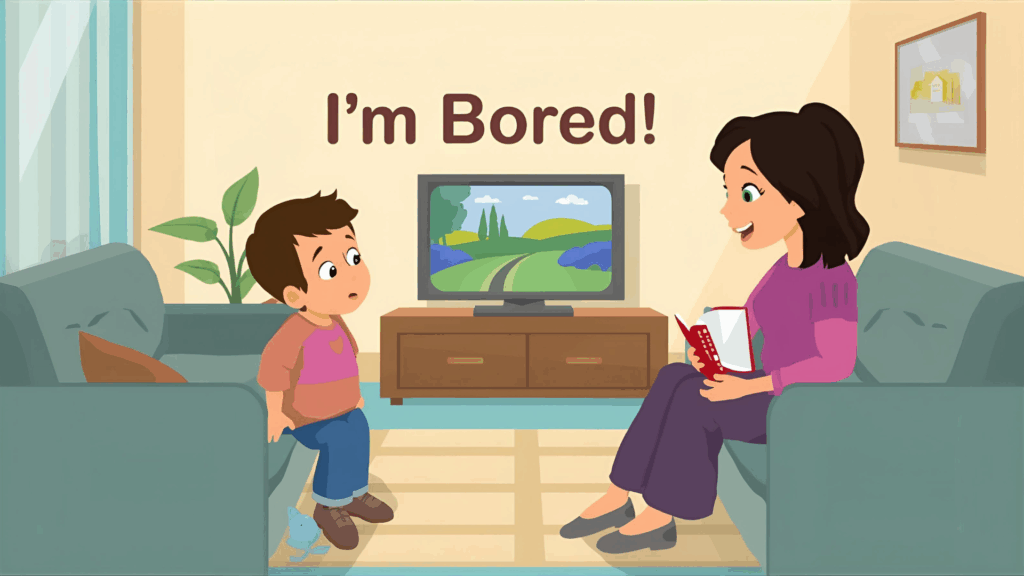
“I’m bored… can I watch TV? Can I use the iPad? Can I play games?”
And in the chaos of work, house tasks, and holiday errands, that sentence can quickly turn into guilt:
“Should I be doing more? Am I not keeping them engaged enough?”
But here’s the truth:
Boredom is not a problem. Screens aren’t the enemy. And your child doesn’t need a perfectly curated holiday schedule, just a thoughtful one.
This is where unguilty parenting comes in: intentional decisions, healthy limits, and compassion for yourself as a parent.
During the last week of school, my son’s Tamil teacher gave a rather unusual homework assignment. It wasn’t the kind of work you rush through because exams were already over and holidays were just around the corner. Yet it still took my son and me almost two full hours to complete. I remember thinking, “Why give something this detailed right before vacation?”
But when the holidays officially began the following week… I understood.
That homework turned out to be exactly what we needed.
Instead of drifting aimlessly from activity to activity, or defaulting to “Can I watch TV?” every hour, my son already had a sense of how he wanted to spend his days. The assignment made him think intentionally about what he enjoyed: reading English and Tamil books, playing sports, choosing an indoor game, and yes… even his beloved TV time (which, let’s be honest, would have taken over the whole holiday if he had the chance).
What surprised me was not the work itself, but how naturally it helped him come up with multiple solutions to the dreaded “I’m bored” moments. It gave him the confidence to choose an activity on his own without relying on screens to fill every quiet moment.
And for me?
It was a reminder that boredom doesn’t need to be solved instantly, and that it’s okay to guide kids without guilt.
Kids often equate boredom with the absence of stimulation, not the absence of activities.
So to them, it feels like a gap that screens can easily fill.
Common reasons include:
• They crave instant entertainment
• They’re overwhelmed by too many choices
• They’re tired but don’t know how to rest
• They want your attention, not just an activity
• They’re used to high-stimulation digital content
Understanding this helps you respond with empathy, not guilt or frustration.
A Practical, Unguilty Parenting Response Guide
Kids don’t just say “I’m bored” because they lack activities. Often, boredom comes from unmet needs, stimulation, connection, structure, or autonomy. Here’s a more intentional way to respond.
Sometimes, kids say they’re bored simply because their brains are craving something exciting. Screens provide fast-paced, high-stimulation entertainment, so everything else feels slow in comparison.
What you can say:
“Your brain wants something exciting right now. Let’s pick something to help you start the fun.”
What you can do:
Offer two simple choices.
It keeps things easy and helps them transition into play:
A small choice gives a big sense of control, and that alone can break the boredom cycle.
Many “I’m bored” moments are actually subtle bids for connection. Kids often translate “I want you” into “I’m bored.”
What you can say:
“Do you want help getting started, or do you want us to do something together for five minutes?”
What you can do:
Offer a connection burst — short, intentional, and meaningful:
Five minutes of presence can help them play independently for the next 30.
Sometimes, boredom comes from too many options instead of too few.
When kids don’t know where to begin, everything feels overwhelming.
What you can say:
“Let’s check your choices. Pick from the Boredom Menu.”
What you can do:
Create a simple Boredom Menu with:
Post it on the fridge.
When kids see choices presented clearly, they’re far more likely to take action independently.
Kids often confuse fatigue with boredom.
When they’re overtired, overstimulated, or burnt out, nothing feels fun, not even the activities they usually love.
What you can say:
“Your body might be tired. Let’s choose a calm activity.”
What you can do:
Offer soothing alternatives:
Helping them slow down teaches them how to listen to their own bodies, a skill they’ll use for life.
Sometimes, boredom is simply a negotiation tactic, a hopeful attempt to get screen time earlier than planned.
What you can say:
“Screen time is scheduled later. For now, let’s choose something from your plan.”
What you can do:
Redirect them to the holiday timetable (like the one created in the story with your son):
Clear boundaries reduce power struggles, for them and for you.
Boredom will always show up, during holidays, after school, and especially on days when you’re juggling a million things. But boredom isn’t a parenting failure. It’s an invitation for growth.
By offering structure, choice, routines, and boundaries, you help your child build independence. You also protect your own energy and avoid the guilt spiral.
And remember this:
You’re not supposed to entertain your child every minute.
You’re supposed to guide them.
That is unguilty parenting:
— Intentional.
— Balanced.
— Compassionate.
— And free from pressure to be perfect.
You’re creating a healthy relationship with boredom, screens, and daily life, one holiday moment at a time.
Want more encouragement and real-life stories on Unguilty Parenting? Follow our page Bricks and Blocks Coaching and @bricksandblockscoaching for tips, inspiration, and reminders that parenting with love doesn’t have to mean parenting with guilt. Visit www.bricksandblockscoaching.com to explore Unguilty Parenting.